
Target biology & binding assessment
Expression, accessibility, binding affinity and specificity, as relevant to the modality.
Capabilities & evidence
HUAHE combines radiolabeling, analytical characterization, in vivo research and process development to help you compare candidates, understand risks and plan the next stage.
The project question determines the capabilities and evidence required. Together, we define the scope, responsibilities, deliverables and criteria for reviewing the result.
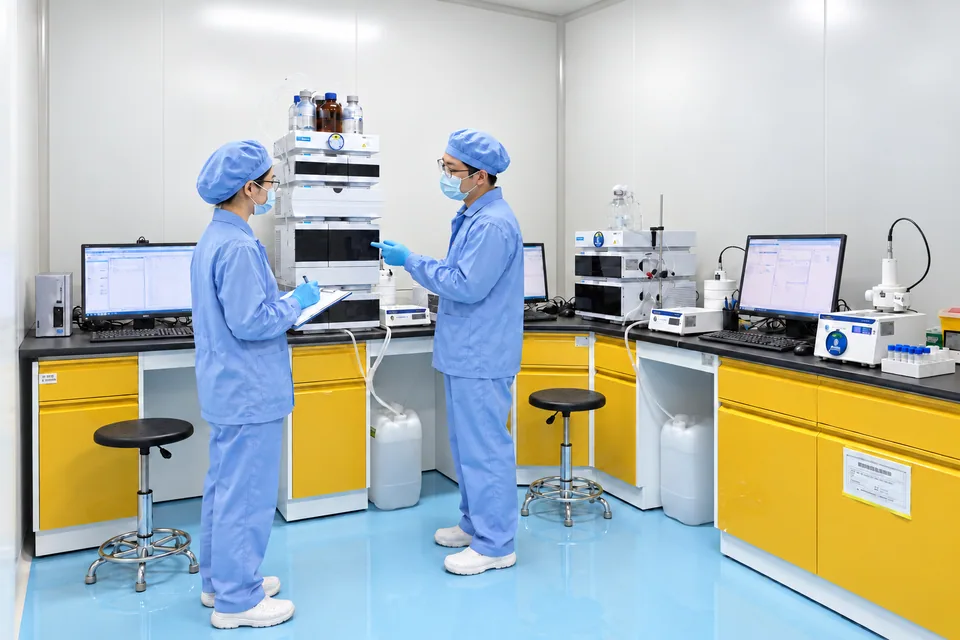
Candidate assessment
For small molecules, peptides and antibodies, we assess target biology, molecular properties, radiolabeling feasibility and in vivo behavior together. The resulting evidence supports candidate ranking, risk assessment and recommendations for the next development stage.
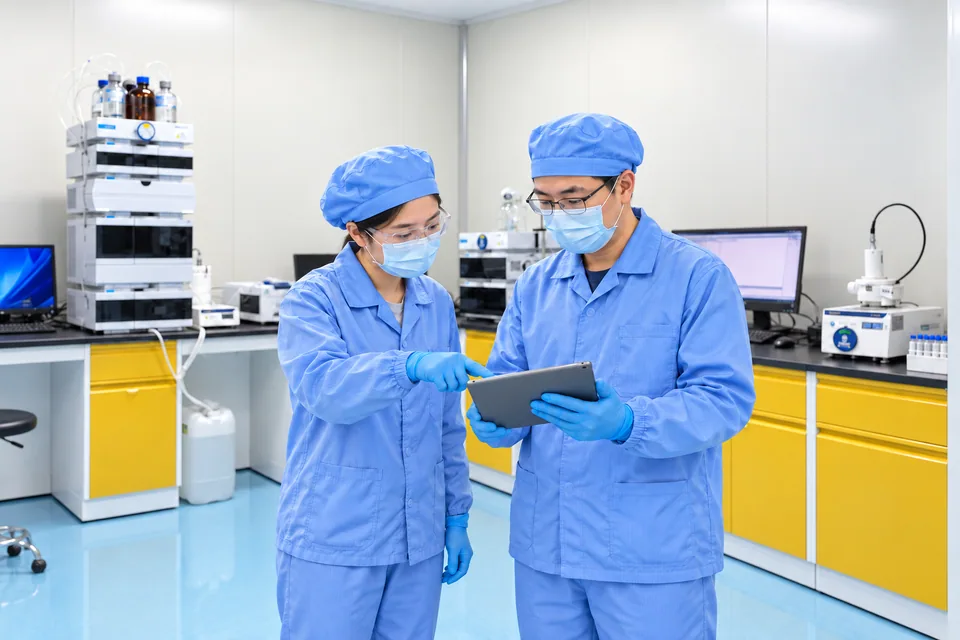
Expression, accessibility, binding affinity and specificity, as relevant to the modality.
Molecular format, stability and nonspecific binding.
Radionuclide selection, conjugation and labeling strategies.
Target-tissue uptake, clearance and retention in key organs.
Study findings support candidate ranking, risk identification, proof-of-concept assessment and recommendations for further development. Research-stage developability assessment does not replace nonclinical safety studies conducted under Good Laboratory Practice (GLP), manufacturing under Good Manufacturing Practice (GMP), or testing for regulatory submissions and batch release.
Radiochemical analysis
HPLC with in-line radioactivity detection and radio-TLC scanning support radiochemical analysis. We compare retention times, peak areas and peak shapes, radiochemical purity, chromatographic profiles and stability under consistent analytical conditions and at defined time points. These comparisons support candidate ranking, optimization of experimental conditions and identification of development risks.
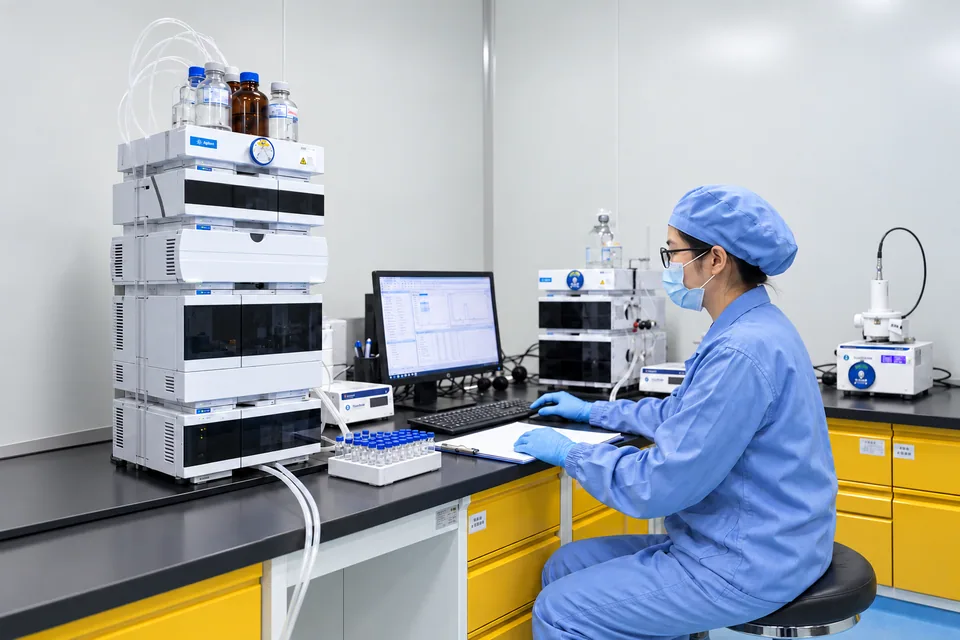
Document analytical plans, raw chromatograms, peak integration and calculations alongside comparisons between samples, observed trends and identified risks.
Record equipment status, sample information and raw data together. Match methods and stability studies to the project stage and the decision the data must support.
Analytical use and method requirements are defined by project stage. Regulatory or release use requires appropriate method validation or verification and quality review against applicable regulations, pharmacopoeias and approved quality standards.
Small-animal in vivo research
PET/CT, SPECT/CT and biodistribution studies characterize target uptake, clearance and organ retention over time. Quantitative comparisons, time–activity curves and preliminary dosimetry support candidate selection and assessment of potential imaging or treatment time windows in research studies.
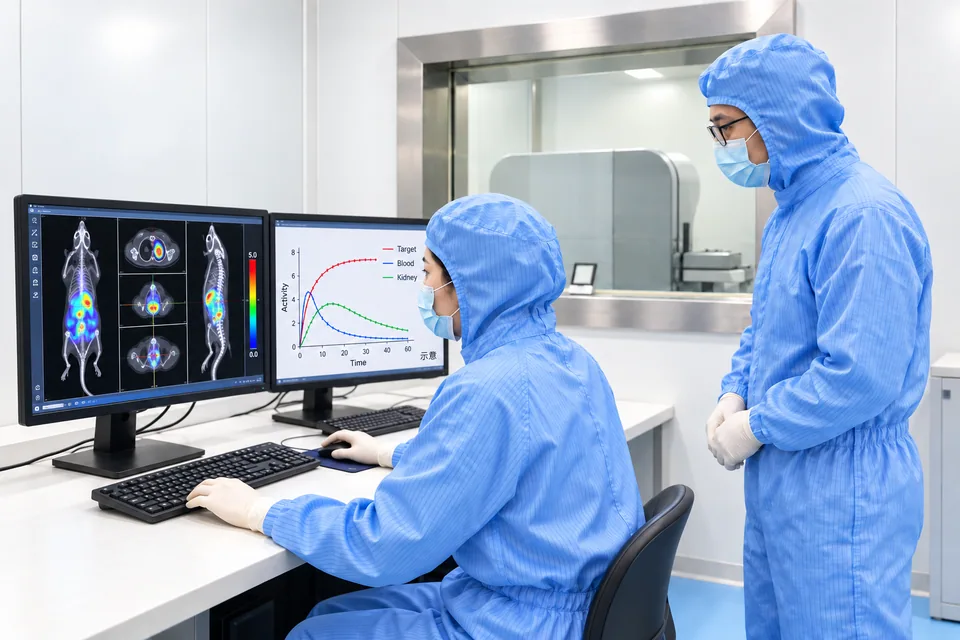
Define models, study groups, dosing and imaging time points. Raw and fused images, together with measurements within regions and volumes of interest (ROI/VOI), characterize target uptake and clearance.
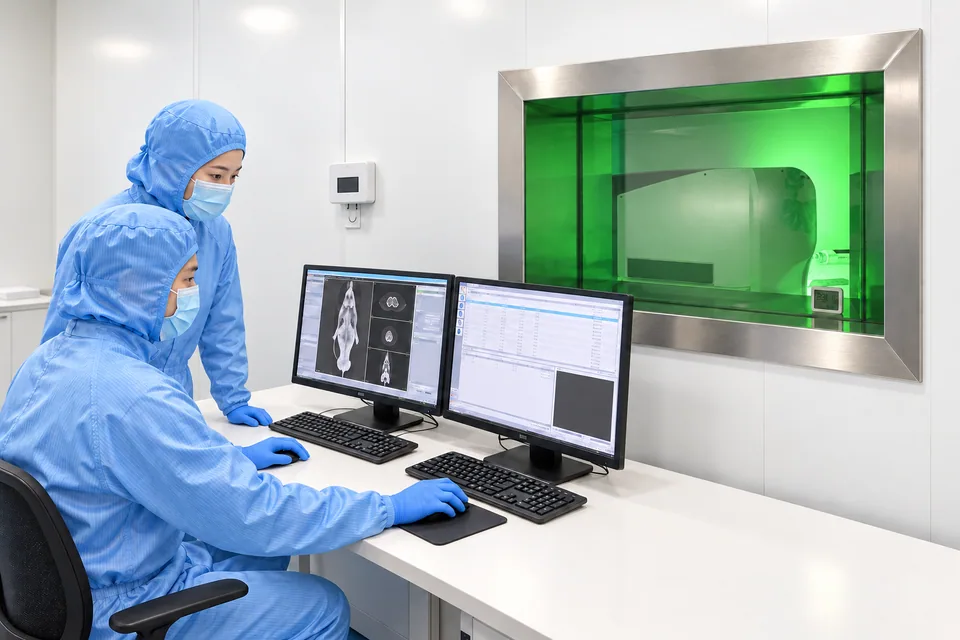
Imaging at multiple time points, tissue uptake ratios and time–activity curves support candidate comparisons and assessment of potential imaging or treatment time windows in research studies.
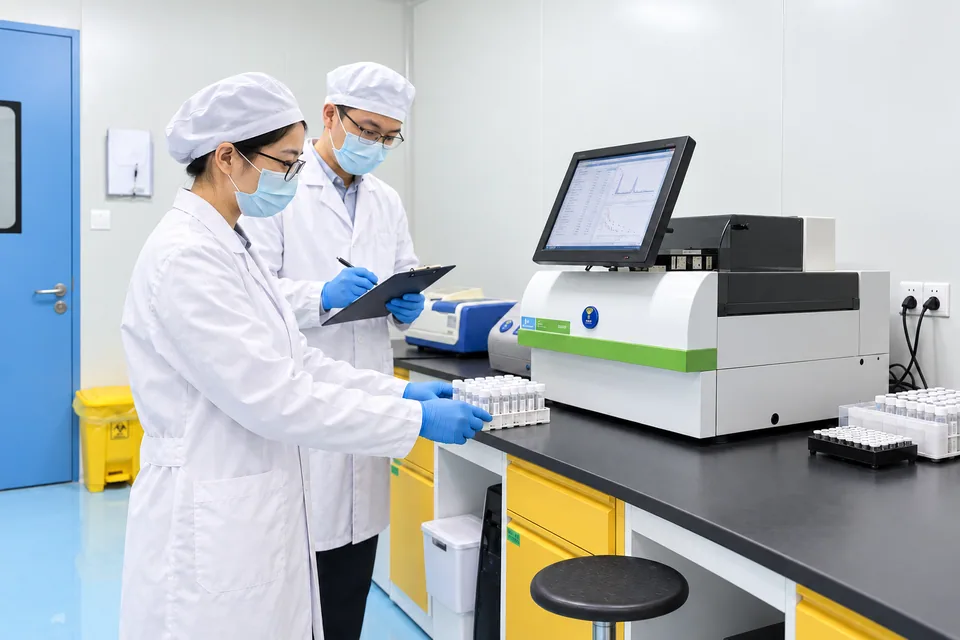
Tissue measurements complement imaging, quantify activity retained in critical organs and support preliminary dosimetry estimates, candidate comparisons and recommendations for further development.
These are research activities, not clinical diagnostic or treatment services. GLP-compliant nonclinical safety studies, analytical procedure validation, studies intended to support regulatory submissions and batch-release testing require separately agreed scopes and confirmation of the responsible site’s qualifications and quality framework.
Process & transfer support
Knowledge from radiolabeling, purification, formulation, analytical development and stability studies can inform subsequent scale-up and receiving-site readiness.
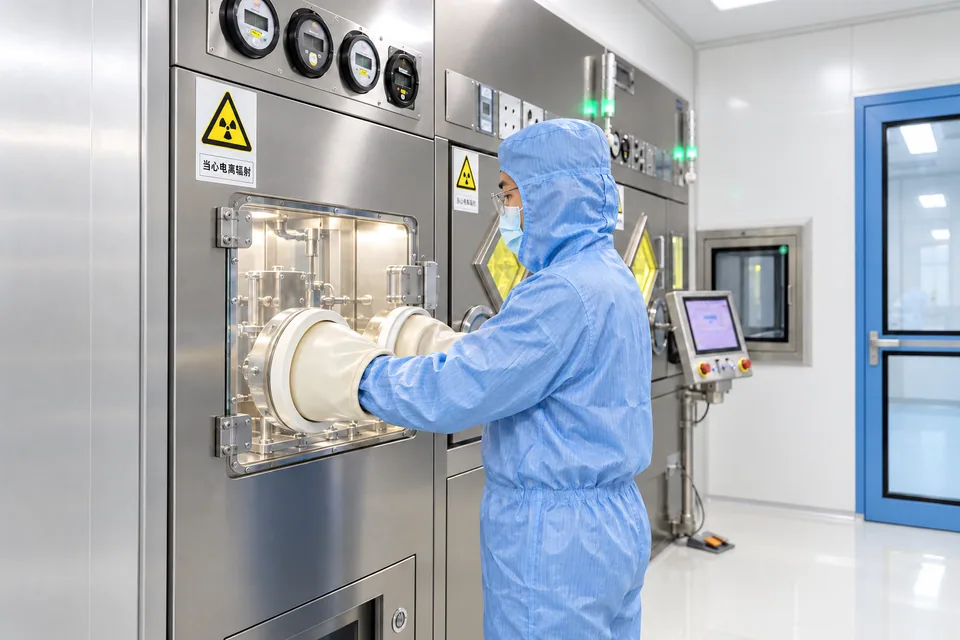
Development data, parameter recommendations and risk assessments support scale-up, process control and transfer readiness.
Explore this service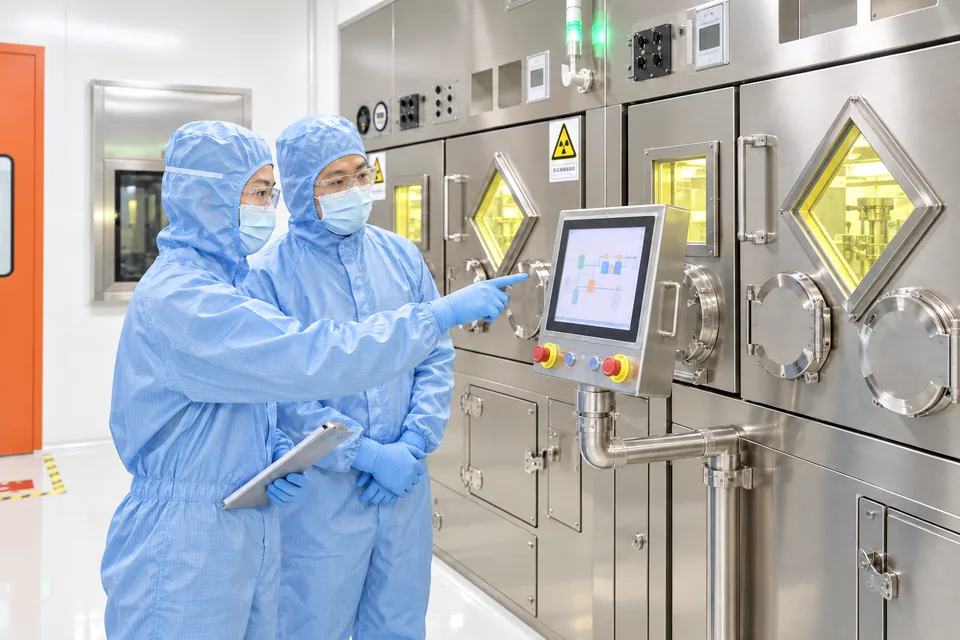
Gap assessments, transfer plans and implementation records support evaluation and acceptance at the receiving site.
Explore this service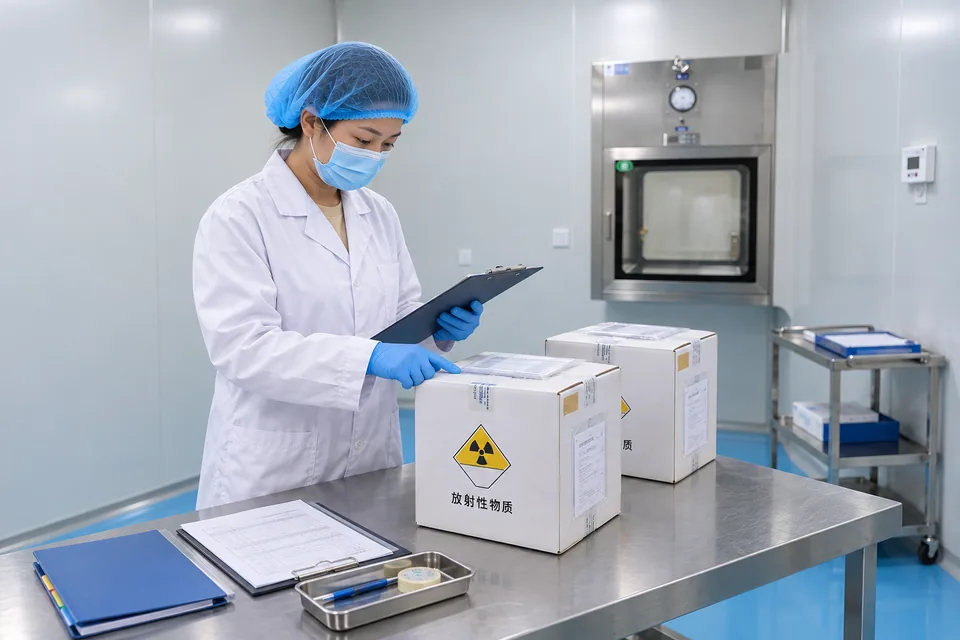
Site assessment, manufacturing scheduling, documentation review and project quality oversight connect development with clinical and commercial supply.
Explore this serviceFacilities & operating environment
We match licensed facilities, specialist equipment, suitable methods and authorized personnel to the radionuclide, development stage and quality requirements of each project. Before work begins, we confirm that site authorizations cover the intended radionuclide and activities, and check equipment status and method suitability.
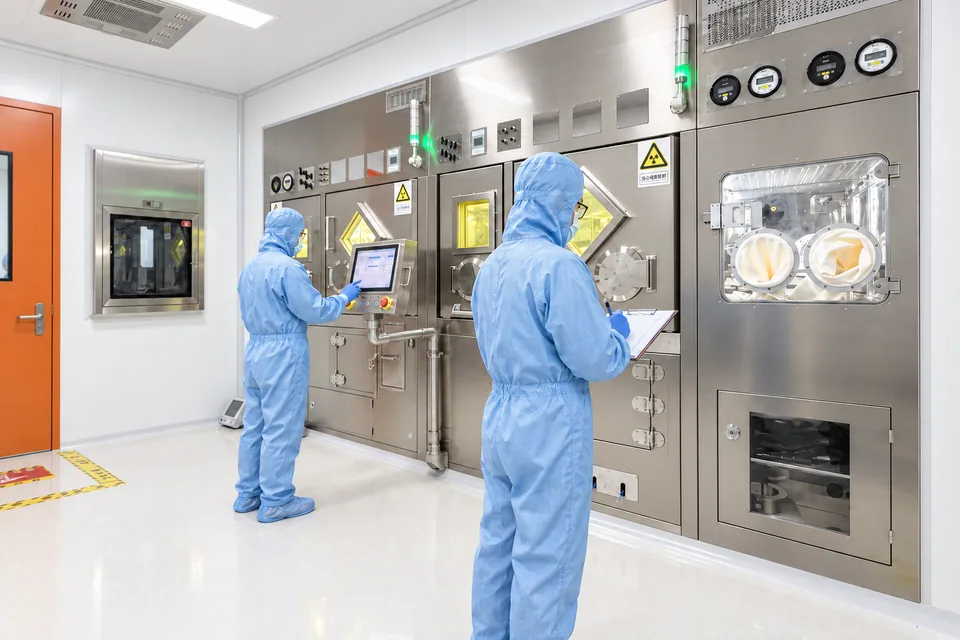
Four synthesis hot cells and three dispensing hot cells support radiolabeling, purification, formulation and dispensing within applicable site authorizations.
Three HPLC systems, two Flow-RAM detectors, one Scan-RAM system and six dose calibrators support method development, radiochemical testing, stability studies and activity measurement.
One PET/CT system and one SPECT/CT system support imaging at multiple time points, quantitative analysis and biodistribution comparisons.
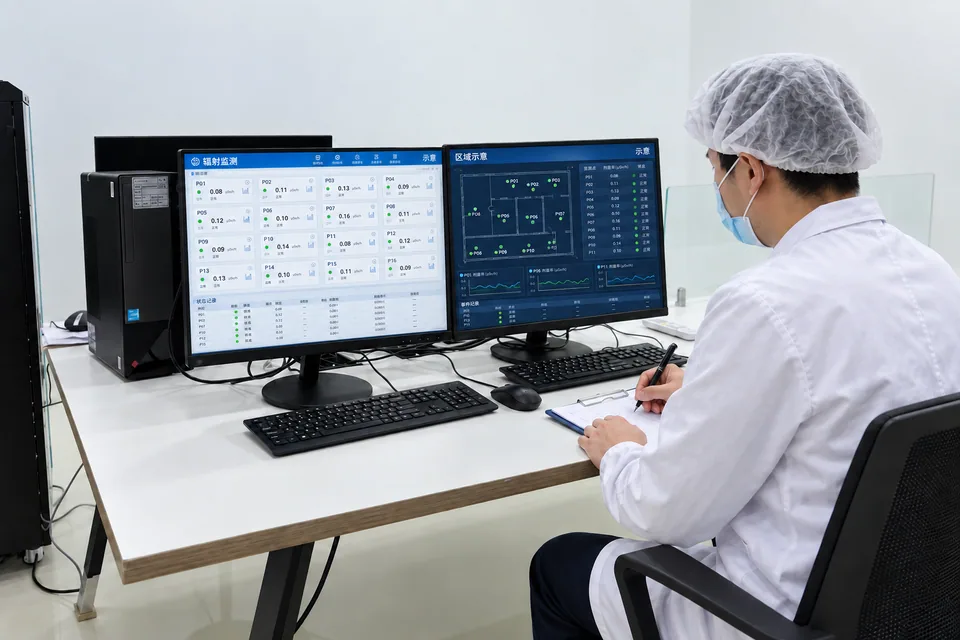
Twenty-three online radiation monitoring points support radiation-safety management during sample receipt, operations and delivery.
Connect with HUAHE
Share the non-confidential research question, development stage or technical requirement you would like to address.